Introduction
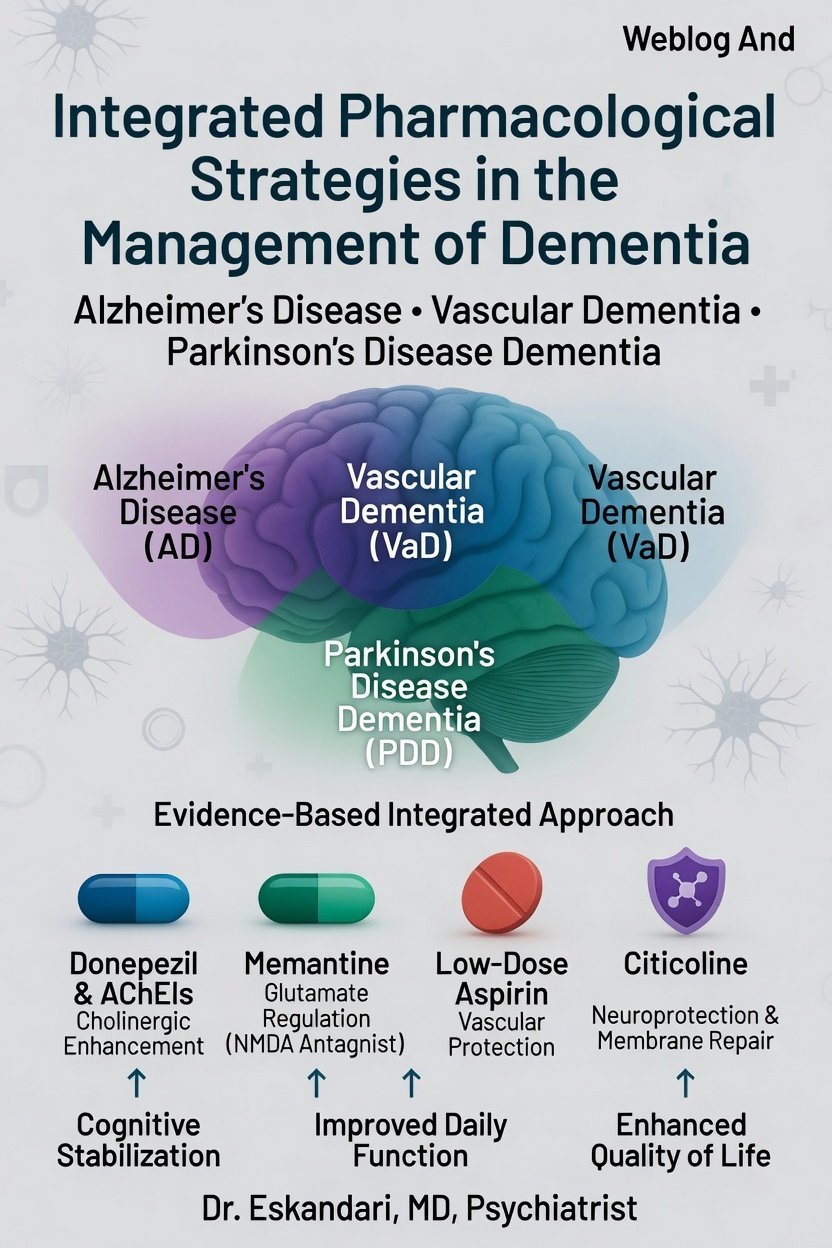
Dementia represents one of the most challenging aspects of modern healthcare, affecting millions of individuals and their families worldwide. As a psychiatrist and registered psychotherapist, I've witnessed firsthand the profound impact that comprehensive, evidence-based treatment can have on individuals living with various forms of dementia. This article explores the multifaceted approach to treating Alzheimer's Disease, Parkinson's Disease Dementia, Vascular Dementia, and Mixed Dementia.
Understanding the Types of Dementia
Alzheimer's Disease
Alzheimer's Disease is the most common form of dementia, accounting for 60-80% of cases. It is characterized by progressive memory loss, cognitive decline, and behavioral changes. The pathological hallmarks include amyloid plaques and neurofibrillary tangles in the brain, leading to neuronal death and brain atrophy.
Early symptoms often include difficulty remembering recent conversations or events, while long-term memories initially remain intact. As the disease progresses, individuals may experience confusion, difficulty with language, poor judgment, and changes in mood and behavior. The progression is gradual but relentless, eventually affecting all aspects of daily functioning.
Parkinson's Disease Dementia
Parkinson's Disease Dementia develops in individuals who have been living with Parkinson's disease for several years. It affects cognitive function, particularly executive function, attention, and visuospatial abilities. The underlying pathology involves Lewy bodies—abnormal protein deposits in the brain.
Unlike Alzheimer's disease, Parkinson's Disease Dementia typically presents with more prominent executive dysfunction, including problems with planning, decision-making, and multitasking. Visual hallucinations and fluctuating cognition are also common features that distinguish it from other forms of dementia.
Vascular Dementia
Vascular Dementia results from reduced blood flow to the brain, often following strokes or other conditions affecting blood vessels. The cognitive decline may be stepwise, corresponding to vascular events, and symptoms can vary depending on the location and extent of brain damage.
Risk factors include hypertension, diabetes, high cholesterol, smoking, and cardiovascular disease. Prevention and management of these vascular risk factors is crucial in slowing disease progression. The pattern of cognitive impairment often reflects the specific brain regions affected by reduced blood flow.
Mixed Dementia
Mixed Dementia involves the presence of more than one type of dementia pathology, most commonly Alzheimer's disease combined with vascular dementia. This presents unique diagnostic and treatment challenges requiring a comprehensive approach.
Studies suggest that mixed dementia may be more common than previously thought, particularly in older adults. The combination of pathologies can lead to more severe cognitive impairment and faster progression than either condition alone. Treatment must address all underlying pathologies simultaneously.
Pharmacological Interventions
Cholinesterase Inhibitors
Cholinesterase inhibitors are the cornerstone of pharmacological treatment for Alzheimer's disease and are also used in Parkinson's Disease Dementia. These medications work by preventing the breakdown of acetylcholine, a neurotransmitter crucial for memory and learning.
Available Cholinesterase Inhibitors:
- Donepezil (Aricept): Approved for all stages of Alzheimer's disease, typically started at 5mg daily and increased to 10mg after 4-6 weeks. Well-tolerated with once-daily dosing, making it convenient for patients and caregivers.
- Rivastigmine (Exelon): Available in oral and transdermal patch formulations. The patch form may reduce gastrointestinal side effects while maintaining efficacy. Particularly useful for patients with swallowing difficulties or those experiencing nausea with oral medications.
- Galantamine (Razadyne): Has dual action as both a cholinesterase inhibitor and nicotinic receptor modulator, potentially offering additional cognitive benefits. Requires twice-daily dosing in immediate-release form, though extended-release once-daily formulation is available.
NMDA Receptor Antagonists
Memantine (Namenda): Works by regulating glutamate activity, protecting neurons from excitotoxicity. It is approved for moderate to severe Alzheimer's disease and can be used alone or in combination with cholinesterase inhibitors. Starting dose is typically 5mg daily, gradually increased to 20mg daily over several weeks to minimize side effects.
Memantine has a different mechanism of action than cholinesterase inhibitors, targeting the glutamate system rather than the cholinergic system. This complementary approach makes it an excellent candidate for combination therapy in moderate to severe disease stages.
Combination Therapy
The combination of memantine with a cholinesterase inhibitor has shown superior benefits compared to monotherapy in moderate to severe Alzheimer's disease, addressing different pathological mechanisms simultaneously. Research indicates that combination therapy may slow functional decline and reduce behavioral symptoms more effectively than either medication alone.
Non-Pharmacological Interventions
Cognitive Stimulation Therapy (CST)
CST involves structured group activities designed to enhance cognitive and social functioning. Research demonstrates that CST can improve cognition and quality of life, with effects comparable to cholinesterase inhibitors in mild to moderate dementia.
Sessions typically include themed activities such as word games, discussion of current affairs, reminiscence activities, and creative tasks. The social interaction component is as important as the cognitive stimulation itself, helping to reduce isolation and depression commonly experienced by individuals with dementia.
Reminiscence Therapy
This approach uses prompts such as photographs, music, and familiar objects to stimulate memories and promote engagement. It can reduce depression and improve well-being in individuals with dementia.
Long-term memories often remain relatively preserved even as short-term memory declines, making reminiscence therapy particularly effective. Family members can participate in these activities, strengthening relationships and providing meaningful engagement.
Physical Exercise
Regular physical activity has been shown to slow cognitive decline, improve cardiovascular health, and enhance mood. Recommendations include at least 150 minutes of moderate-intensity aerobic exercise per week, combined with strength and balance training.
Exercise benefits extend beyond physical health, improving sleep quality, reducing agitation, and providing opportunities for social interaction. Even individuals with advanced dementia can benefit from adapted physical activities tailored to their abilities.
Music Therapy
Music therapy can reduce agitation, improve mood, and facilitate communication in individuals with dementia. Even in advanced stages, musical memory often remains relatively preserved.
Personalized music programs featuring songs from the individual's past can evoke powerful emotional responses and memories. Group music therapy sessions also provide social connection and opportunities for creative expression.
Managing Behavioral and Psychological Symptoms
Non-Pharmacological Approaches First
Before considering medications for behavioral symptoms, it's crucial to identify and address potential triggers such as pain, infection, environmental factors, or unmet needs. Creating a calm, structured environment and maintaining consistent routines can significantly reduce behavioral disturbances.
The "person-centered care" approach emphasizes understanding the meaning behind behaviors rather than simply trying to eliminate them. Agitation may signal discomfort, fear, boredom, or unmet needs. Addressing the underlying cause is more effective than suppressing the behavior.
Pharmacological Management When Necessary
When behavioral symptoms are severe and non-pharmacological interventions are insufficient, medication may be considered:
- Selective Serotonin Reuptake Inhibitors (SSRIs): For depression and anxiety, citalopram or sertraline are often first-line choices due to favorable side effect profiles. Low doses are typically effective, and treatment should continue for at least 6-12 months.
- Atypical Antipsychotics: Reserved for severe agitation or psychosis when other interventions have failed. Used cautiously due to increased risk of stroke and mortality in elderly patients with dementia. Quetiapine and risperidone are most commonly prescribed, at the lowest effective doses for the shortest duration necessary.
- Mood Stabilizers: Divalproex or carbamazepine may be considered for persistent agitation, though evidence is limited. Regular monitoring of blood levels and liver function is essential.
Addressing Vascular Risk Factors
For vascular dementia and mixed dementia, managing cardiovascular risk factors is essential:
- Blood Pressure Control: Maintaining systolic blood pressure below 140 mmHg can slow cognitive decline. However, aggressive blood pressure lowering should be avoided in frail elderly individuals.
- Diabetes Management: Optimal glycemic control reduces the risk of further vascular damage. Target HbA1c should be individualized based on overall health status and life expectancy.
- Cholesterol Management: Statins may be beneficial in reducing vascular events and potentially slowing cognitive decline, particularly in individuals with established cardiovascular disease.
- Antiplatelet Therapy: Aspirin or other antiplatelet agents for secondary stroke prevention in appropriate cases. Benefits must be weighed against bleeding risks.
- Lifestyle Modifications: Smoking cessation, healthy diet (Mediterranean diet), and regular exercise form the foundation of vascular risk reduction.
Caregiver Support and Education
Psychoeducation
Educating caregivers about the disease process, what to expect, and available resources is fundamental. Understanding that behavioral changes are symptoms of the disease, not willful actions, can reduce caregiver stress and improve care quality.
Caregivers need practical guidance on managing daily care challenges, from communication strategies to safety measures. Anticipatory guidance about disease progression helps families plan ahead and make informed decisions.
Respite Care
Regular respite care allows caregivers to rest and recharge, preventing burnout. Options include adult day programs, in-home respite services, or short-term residential care.
Caregivers often feel guilty about taking breaks, but respite care benefits both caregiver and care recipient. Well-rested caregivers provide better quality care and are more patient and emotionally available.
Support Groups
Connecting with others facing similar challenges provides emotional support, practical advice, and reduces feelings of isolation. Both in-person and online support groups are valuable resources.
Support groups offer a safe space to share experiences, learn coping strategies, and receive validation. The sense of community and shared understanding can be profoundly healing for caregivers experiencing stress, grief, and uncertainty.
Caregiver Mental Health
Caregivers are at high risk for depression, anxiety, and physical health problems. Regular screening and treatment of caregiver mental health issues is essential for the well-being of both caregiver and care recipient.
Healthcare providers should routinely ask caregivers about their own health and well-being. Encouraging caregivers to maintain their own healthcare appointments, social connections, and self-care activities is not selfish—it's essential for sustainable caregiving.
Advance Care Planning
Early in the disease process, while the individual retains decision-making capacity, it's important to discuss:
- Healthcare preferences and goals of care
- Designation of healthcare proxy or power of attorney
- Financial planning and legal arrangements
- Living arrangements and future care needs
- End-of-life wishes
These conversations are challenging but crucial. They ensure that the individual's values and preferences guide care decisions throughout the disease course, even when they can no longer communicate their wishes directly.
Multidisciplinary Team Approach
Optimal dementia care involves collaboration among multiple healthcare professionals:
- Physicians: Psychiatrists, neurologists, geriatricians, and primary care providers for diagnosis and medical management
- Nurses: Provide education, monitor symptoms, and coordinate care across settings
- Psychologists and Psychotherapists: Offer cognitive assessments and therapeutic interventions for both patients and caregivers
- Occupational Therapists: Help maintain functional abilities and adapt the environment to support independence and safety
- Physical Therapists: Address mobility issues, prevent falls, and maintain physical function
- Speech-Language Pathologists: Assist with communication difficulties and swallowing problems
- Social Workers: Connect families with community resources, support services, and financial assistance programs
- Pharmacists: Optimize medication regimens and monitor for drug interactions and side effects
Emerging Therapies and Future Directions
Disease-Modifying Treatments
Recent FDA approvals of aducanumab and lecanemab represent a new era in Alzheimer's treatment, targeting amyloid plaques directly. While these medications show promise in slowing disease progression in early-stage Alzheimer's disease, they require careful patient selection and monitoring.
These treatments are administered intravenously and require regular MRI monitoring for potential side effects such as brain swelling or microhemorrhages. They represent hope for disease modification rather than just symptom management, though questions about cost-effectiveness and long-term benefits remain.
Lifestyle Interventions
The FINGER study and similar research demonstrate that multidomain lifestyle interventions—combining diet, exercise, cognitive training, and vascular risk management—can reduce cognitive decline in at-risk individuals.
Prevention strategies are increasingly recognized as crucial in addressing the dementia epidemic. While not all dementia can be prevented, up to 40% of cases may be attributable to modifiable risk factors throughout the lifespan.
Technology-Assisted Care
Assistive technologies, including GPS tracking devices, medication reminders, and smart home systems, can enhance safety and independence while reducing caregiver burden.
Innovations in telemedicine, virtual reality therapy, and AI-powered monitoring systems offer new possibilities for remote care, early detection of changes, and personalized interventions. However, technology must be implemented thoughtfully, respecting privacy and maintaining the human connection essential to quality care.
Conclusion
Treating individuals with dementia requires a comprehensive, person-centered approach that addresses medical, psychological, social, and functional needs. While current pharmacological treatments cannot cure dementia, they can slow progression and improve quality of life when combined with non-pharmacological interventions. Supporting caregivers, managing behavioral symptoms compassionately, addressing vascular risk factors, and maintaining dignity throughout the disease course are fundamental principles of quality dementia care.
As our understanding of dementia continues to evolve, so too will our treatment approaches. The key is to remain informed about evidence-based practices, individualize care plans, and always prioritize the well-being and dignity of both individuals with dementia and their caregivers. Hope lies not only in future cures but in our ability to provide compassionate, comprehensive care that honors the humanity of those affected by dementia.
References
- Alzheimer's Association. (2023). Alzheimer's Disease Facts and Figures. Alzheimer's & Dementia, 19(4).
- American Psychiatric Association. (2020). The American Psychiatric Association Practice Guideline on the Use of Antipsychotics to Treat Agitation or Psychosis in Patients With Dementia.
- Birks, J. S., & Harvey, R. J. (2018). Donepezil for dementia due to Alzheimer's disease. Cochrane Database of Systematic Reviews.
- Gitlin, L. N., & Hodgson, N. (2015). Caregivers as therapeutic agents in dementia care. In Family Caregiving in the New Normal (pp. 305-318). Academic Press.
- Ngandu, T., et al. (2015). A 2 year multidomain intervention of diet, exercise, cognitive training, and vascular risk monitoring versus control to prevent cognitive decline in at-risk elderly people (FINGER): a randomised controlled trial. The Lancet, 385(9984), 2255-2263.
- Schneider, L. S., Dagerman, K. S., & Insel, P. (2005). Risk of death with atypical antipsychotic drug treatment for dementia. JAMA, 294(15), 1934-1943.
- van Dyck, C. H., et al. (2023). Lecanemab in Early Alzheimer's Disease. New England Journal of Medicine, 388(1), 9-21.
- Woods, B., et al. (2012). Cognitive stimulation to improve cognitive functioning in people with dementia. Cochrane Database of Systematic Reviews.
- Livingston, G., et al. (2020). Dementia prevention, intervention, and care: 2020 report of the Lancet Commission. The Lancet, 396(10248), 413-446.